
Complete Blood Count
(CBC) Test
The CBC is one of the most common blood tests that provides important information about the kinds and numbers of cells in your blood.
Overview
A Complete Blood Count (CBC) is one of the most commonly performed blood tests. It provides detailed information about the types, numbers, and proportions of cells present in the blood, including red blood cells, white blood cells, and platelets.
This test helps healthcare providers evaluate overall health, diagnose medical conditions such as anemia, infection, inflammation, and blood disorders, and monitor treatment effectiveness.
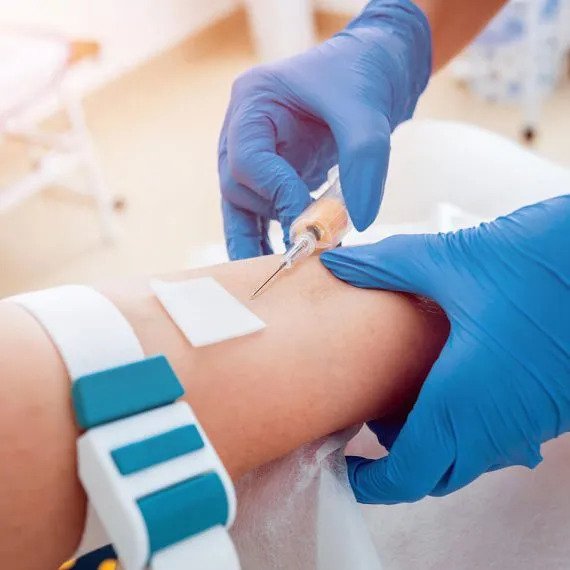
The CBC is performed using a small blood sample, typically drawn from a vein in the arm. It is a fast, reliable, and essential diagnostic tool used in routine health checkups and clinical evaluations.
What We Do
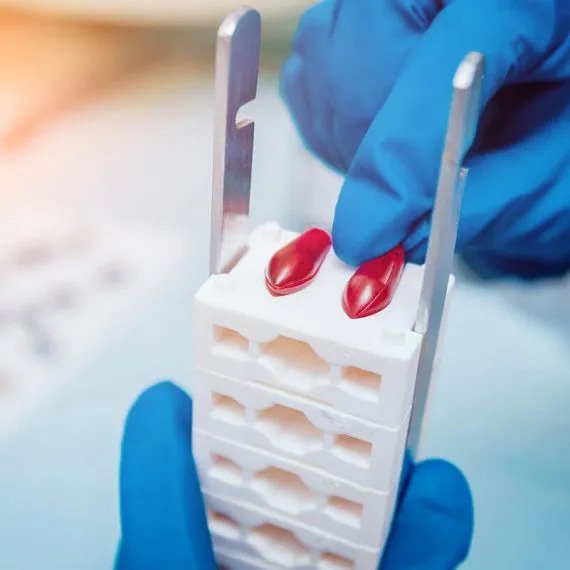
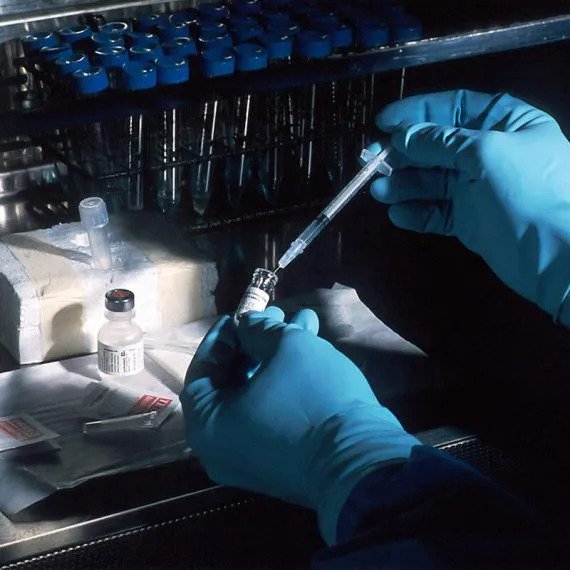
Our laboratory performs CBC testing using advanced hematology analyzers to ensure accurate and reliable results. Each test is reviewed by qualified professionals to support timely diagnosis and clinical decision-making.
Health Tips & Information
Regular CBC testing helps detect health issues early. Staying hydrated, maintaining a balanced diet rich in iron and vitamins, and following medical advice can help support healthy blood levels.
No, fasting is usually not required for a Complete Blood Count test unless advised by your healthcare provider.
Most CBC test results are available within a few hours to one working day.
A CBC test provides essential information about overall health and helps diagnose infections, anemia, immune disorders, and other medical conditions.
CBC Test Components
A CBC measures several components of your blood to provide a complete picture of your health
Red Blood Cells (RBC)
Carry oxygen from your lungs to the rest of your body and return carbon dioxide.
Men: 4.7–6.1 million cells/mcL
Women: 4.2–5.4 million cells/mcL
White Blood Cells (WBC)
Help fight infections and are part of your immune system.
4,500–11,000 cells/mcL
Hemoglobin (Hgb)
Oxygen-carrying protein in red blood cells.
Men: 13.5–17.5 g/dL
Women: 12.0–15.5 g/dL
Hematocrit (Hct)
Proportion of blood volume made up of red blood cells.
Men: 38.8–50%
Women: 34.9–44.5%
Platelets (Plt)
Help blood clot and prevent excessive bleeding.
150,000–450,000 cells/mcL
Mean Corpuscular Volume (MCV)
Average size of red blood cells.
80–100 fL
The CBC Test Process
What to expect before, during, and after your CBC test
Preparation
Most CBC tests require no special .
During the Test
Blood is drawn from a vein by a professional.
After the Test
Resume normal activities immediately.
Results
Results usually available within 24 hours.
Tips for a Smooth Test
- Stay hydrated
- Wear comfortable clothing
- Communicate concerns
- Bring ID and insurance
Less than 5 minutes
Understanding Your Results
Interpreting CBC test results
↑ Higher Than Normal
RBC: Dehydration, lung disease
WBC: Infection or inflammation
Platelets: Certain cancers
↓ Lower Than Normal
RBC: Anemia
WBC: Immune disorders
Platelets: Excessive bleeding risk
Important Considerations
- Normal ranges vary
- Follow-up tests may be required
- Context matters
- Always consult your doctor

Your Health & Diagnostic Accuracy Matter to Us
Find a Nearby Diagnostic Lab & Book Your Test
Patient-Centric Diagnostics
We focus on accurate, timely, and reliable diagnostic testing to help patients and healthcare providers make informed medical decisions.
Trusted Lab Quality
Our laboratories follow strict quality standards and use advanced diagnostic technology to ensure accurate and dependable results.
Over 90% of medical decisions rely on accurate diagnostic results. We are committed to being your trusted laboratory partner. Contact Us