
Liver Function
(LFT) Test
The Liver Function Test is a group of blood tests that help assess the health of your liver by measuring enzymes, proteins, and substances produced by the liver.
Overview
A Liver Function Test (LFT) is a group of blood tests used to assess the overall health and performance of the liver by measuring enzymes, proteins, and bilirubin levels.
These tests help detect liver damage, inflammation, infections such as hepatitis, and conditions related to alcohol use or medication side effects.
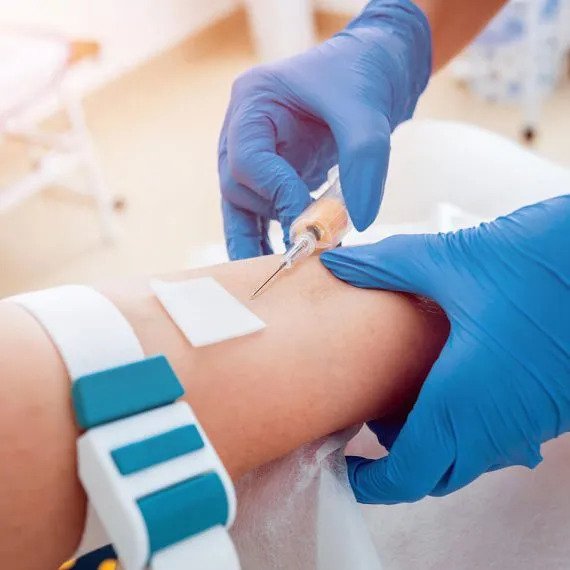
The test requires a small blood sample drawn from a vein and is commonly included in routine health checkups and diagnostic evaluations.

What We Do
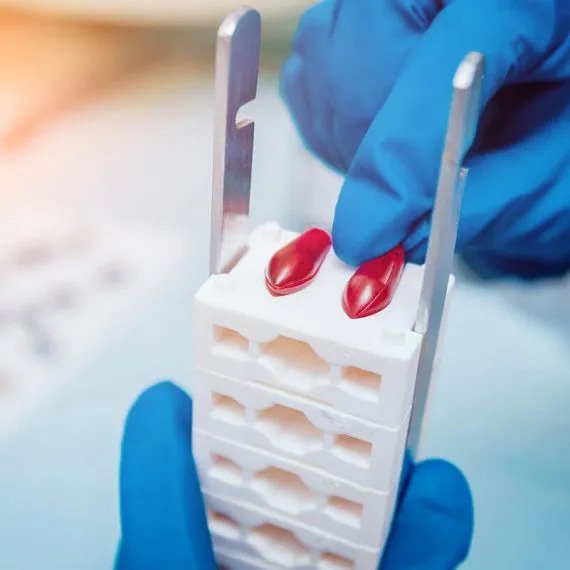
Our laboratory performs Liver Function Tests using advanced biochemistry analyzers to ensure accurate and reliable results, reviewed by experienced professionals.
Health Tips & Information
Maintaining a healthy diet, avoiding excessive alcohol consumption, staying hydrated, and following medical advice can help support optimal liver function.
Fasting may be required in some cases. Follow your doctor’s or lab’s instructions.
LFT results are typically available within 24 hours.
LFTs help detect liver damage early and monitor conditions such as hepatitis, fatty liver disease, and medication-related liver issues.
Liver Function Test (LFT) Components
LFT measures enzymes and proteins in the blood to evaluate liver health and function
ALT (SGPT)
Enzyme that helps assess liver cell damage.
7–56 U/L
AST (SGOT)
Enzyme released into blood when liver or muscle cells are damaged.
10–40 U/L
Alkaline Phosphatase (ALP)
Indicates bile duct health and liver function.
44–147 IU/L
Bilirubin
Waste product processed by the liver; high levels may cause jaundice.
Total: 0.1–1.2 mg/dL
Albumin
Protein made by the liver that helps maintain fluid balance.
3.5–5.0 g/dL
Total Protein
Measures overall protein levels in the blood.
6.0–8.3 g/dL
The LFT Test Process
What to expect before, during, and after your Liver Function Test
Preparation
Fasting may be required for 8–10 hours. Follow your doctor’s instructions.
During the Test
A blood sample is drawn from a vein by a trained healthcare professional.
After the Test
You can resume normal activities immediately after the test.
Results
Test results are usually available within 24 hours.
Tips for a Smooth Test
- Stay hydrated (unless fasting is required)
- Avoid alcohol before the test
- Wear comfortable clothing
- Inform the technician about medications
Less than 5 minutes
Understanding Your Results
Interpreting Liver Function Test (LFT) results
↑ Higher Than Normal
ALT / AST: Liver inflammation or damage
ALP: Bile duct obstruction or liver disease
Bilirubin: Jaundice or liver dysfunction
↓ Lower Than Normal
Albumin: Poor liver function or malnutrition
Total Protein: Nutritional deficiency
ALP: Vitamin or mineral deficiency
Important Considerations
- Normal ranges may vary by laboratory
- Results should be interpreted together
- Additional tests may be recommended
- Always consult your doctor for diagnosis

Your Health & Diagnostic Accuracy Matter to Us
Find a Nearby Diagnostic Lab & Book Your Test
Patient-Centric Diagnostics
We deliver accurate, timely, and reliable diagnostic services to support informed medical decisions for patients and healthcare providers.
Trusted Lab Quality
Our laboratories follow strict quality standards and use advanced diagnostic technology to deliver accurate and dependable results.
Over 90% of medical decisions depend on accurate diagnostic results. We are committed to being your trusted laboratory partner. Contact Us