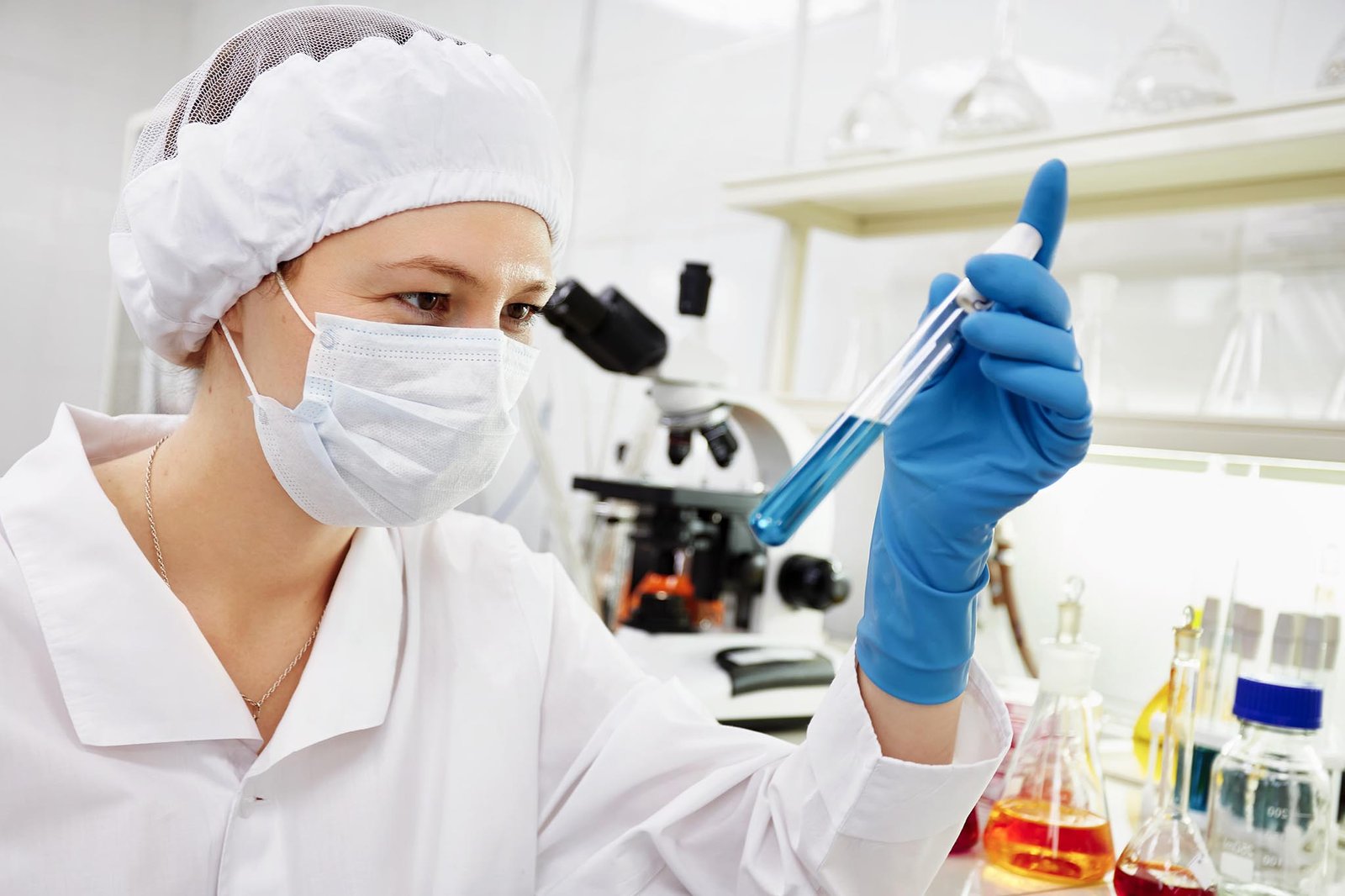
Kidney Function
(KFT) Test
The Kidney Function Test helps evaluate how well your kidneys are working by measuring important substances in your blood.
Overview
A Kidney Function Test (KFT) is a group of blood tests that assess how well the kidneys are filtering waste and maintaining fluid and electrolyte balance.
It helps detect kidney diseases, monitor existing kidney conditions, and evaluate the impact of medications on kidney health.
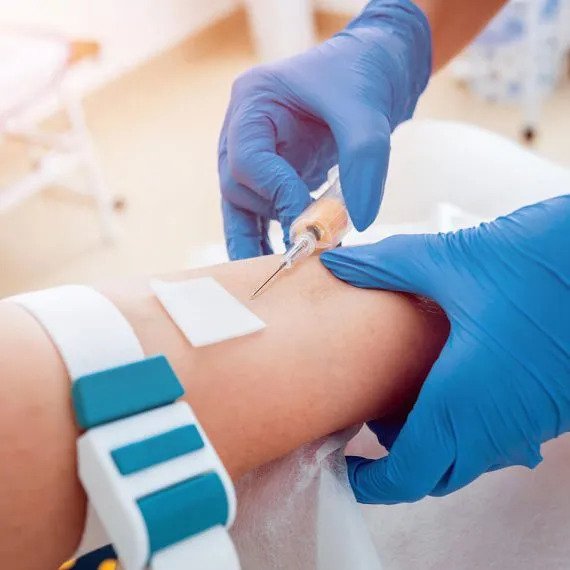
The test is performed using a blood sample drawn from a vein and is commonly included in routine health checkups.
What We Do
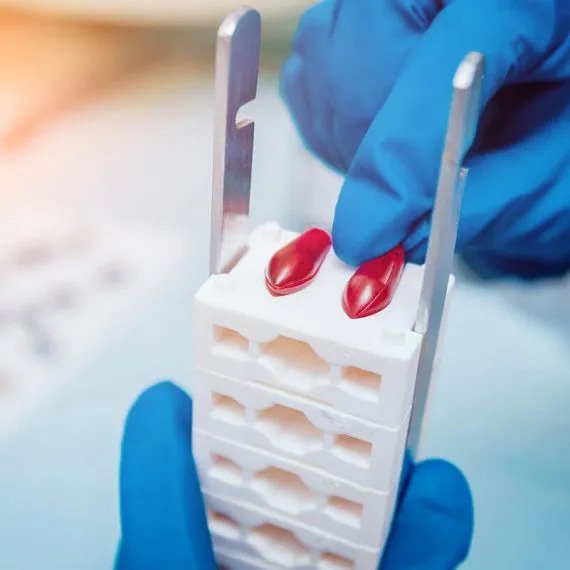
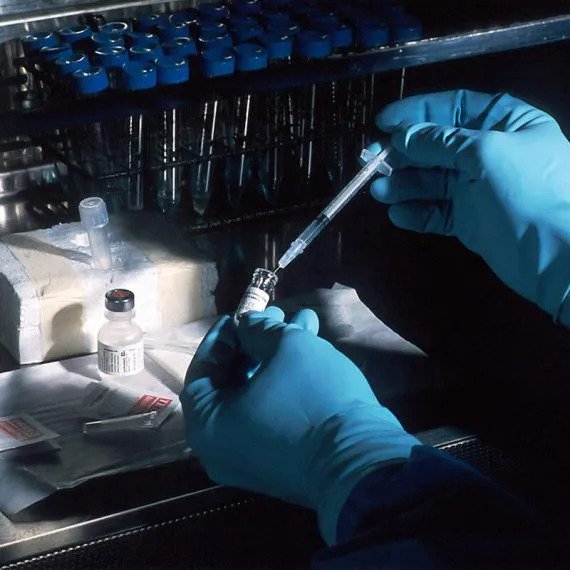
Our laboratory performs Kidney Function Tests using advanced analyzers to ensure accurate assessment of renal health. All reports are reviewed by experienced medical professionals.
Health Tips & Information
Staying hydrated, maintaining a balanced diet, controlling blood sugar and blood pressure, and regular testing can help keep your kidneys healthy.
Fasting may be required for 8–10 hours depending on the test parameters. Follow your doctor’s advice.
KFT reports are usually available within the same day or next working day.
KFT helps detect kidney damage early and ensures proper management of conditions that affect kidney health.
Kidney Function Test (KFT) Components
A Kidney Function Test evaluates how well your kidneys are filtering waste and maintaining balance in the body.
Serum Creatinine
Measures waste produced by muscles and filtered by the kidneys.
Men: 0.7–1.3 mg/dL
Women: 0.6–1.1 mg/dL
Blood Urea
Indicates how efficiently the kidneys remove nitrogen waste from the blood.
15–40 mg/dL
Blood Urea Nitrogen (BUN)
Helps assess kidney and liver function.
7–20 mg/dL
Uric Acid
Excess levels may indicate kidney dysfunction or gout.
Men: 3.4–7.0 mg/dL
Women: 2.4–6.0 mg/dL
Electrolytes
Includes Sodium and Potassium, essential for nerve and muscle function.
Sodium: 135–145 mmol/L
Potassium: 3.5–5.1 mmol/L
eGFR
Estimates how well your kidneys are filtering blood.
≥ 90 mL/min/1.73m²
The Kidney Function Test Process
What to expect before, during, and after your KFT
Preparation
Fasting for 8–10 hours may be required based on your doctor’s advice.
During the Test
A blood sample is collected from a vein by a trained professional.
After the Test
You can resume normal activities immediately after sample collection.
Results
Test reports are usually available within 24 hours.
Tips for Accurate Results
- Drink enough water unless advised otherwise
- Avoid alcohol before the test
- Inform the doctor about medications
- Carry a valid ID
Less than 10 minutes
Understanding Your Results
How to interpret Kidney Function Test (KFT) results
↑ Higher Than Normal
Creatinine: Kidney impairment, dehydration
Urea / BUN: Reduced kidney filtration
Uric Acid: Gout, kidney dysfunction
Potassium: Risk of heart rhythm problems
↓ Lower Than Normal
Creatinine: Low muscle mass
Urea: Liver disease, overhydration
Sodium: Fluid imbalance
eGFR: Reduced kidney function
Important Considerations
- Normal ranges may vary by age and gender
- Single abnormal values may not indicate disease
- Medications can affect test results
- Always consult your doctor for accurate interpretation

Your Health & Diagnostic Accuracy Matter to Us
Find a Nearby Diagnostic Lab & Book Your Test
Patient-Centered Diagnostics
We deliver accurate, timely, and reliable diagnostic testing to support informed medical decisions for patients and healthcare providers.
Trusted Lab Quality
Our laboratories follow strict quality standards and use advanced diagnostic technology to ensure accurate and dependable results.
Over 90% of medical decisions rely on accurate diagnostic results. We are committed to being your trusted laboratory partner. Contact Us