
Lipid Profile Test
(Cholesterol Analysis)
The Lipid Profile Test measures different types of cholesterol and fats in your blood to assess heart health and cardiovascular risk.
Overview
A Lipid Profile Test is a blood test that evaluates the levels of cholesterol and triglycerides in the body, which are key indicators of heart health.
It helps identify the risk of cardiovascular diseases such as heart attack, stroke, and atherosclerosis.
This test is commonly recommended as part of routine health checkups or for individuals with diabetes, obesity, or high blood pressure.
What We Do
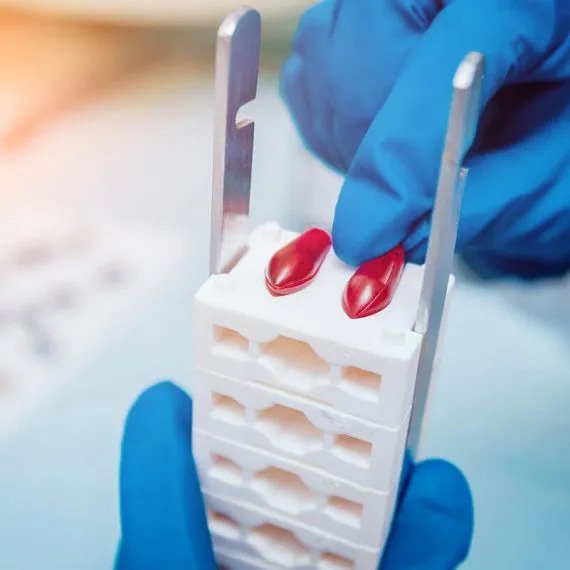
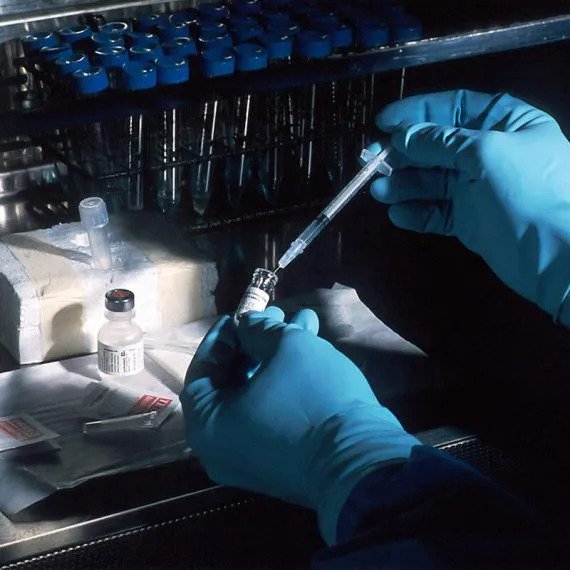
Our laboratory performs Lipid Profile Tests using advanced diagnostic equipment to ensure precise and reliable cholesterol measurements. Reports are reviewed by qualified medical experts.
Health Tips & Information
Maintaining a healthy diet, regular exercise, avoiding smoking, and periodic cholesterol testing can help keep your heart healthy.
Yes, fasting for 8–12 hours is usually required for accurate lipid profile results.
Lipid Profile reports are generally available within the same day or the next working day.
Cholesterol testing helps identify early risk of heart disease and allows timely lifestyle changes or treatment.
Lipid Profile Test (Cholesterol Analysis) Components
A Lipid Profile Test measures different types of cholesterol and fats in the blood to assess heart health.
Total Cholesterol
Indicates the overall amount of cholesterol present in the blood.
Less than 200 mg/dL
LDL Cholesterol (Bad)
High levels increase the risk of heart disease and artery blockage.
Less than 100 mg/dL
HDL Cholesterol (Good)
Helps remove bad cholesterol from the bloodstream.
Men: ≥ 40 mg/dL
Women: ≥ 50 mg/dL
Triglycerides
A type of fat that increases heart risk when elevated.
Less than 150 mg/dL
VLDL Cholesterol
Carries triglycerides and contributes to plaque buildup.
5–40 mg/dL
Cholesterol Ratio
Ratio of total cholesterol to HDL, indicating heart disease risk.
Below 4.5
The Lipid Profile Test Process
What to expect before, during, and after your cholesterol test
Preparation
Fasting for 8–12 hours is usually required for accurate lipid measurements.
During the Test
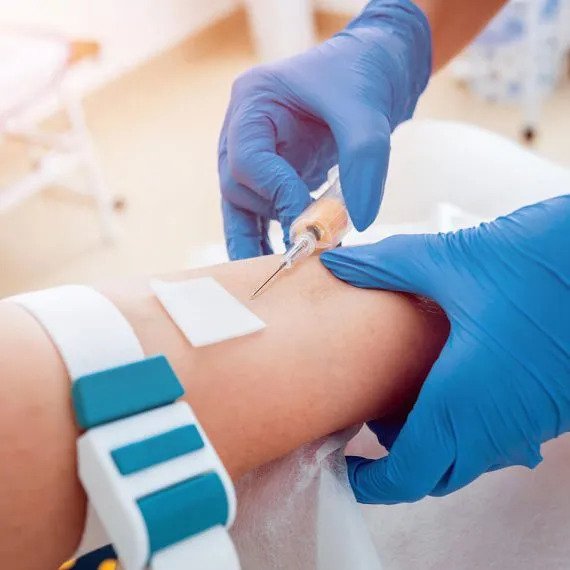
A small blood sample is drawn from a vein by a trained phlebotomist.
After the Test
You can resume normal activities immediately; no special care is needed.
Results
Lipid profile reports are typically available within the same day or next working day.
Tips for Accurate Results
- Fasting is recommended before the test
- Drink water but avoid sugary drinks
- Avoid alcohol and fatty meals before the test
- Inform your doctor about current medications
- Carry a valid ID and test request form
Less than 10 minutes
Understanding Your Results
How to interpret Lipid Profile (Cholesterol Analysis) results
↑ Higher Than Normal
Total Cholesterol: Increased risk of heart disease
LDL (Bad Cholesterol): Plaque buildup in arteries
Triglycerides: Risk of pancreatitis and cardiovascular problems
VLDL: Contributes to arterial plaque formation
↓ Lower Than Normal
HDL (Good Cholesterol): Reduced protection against heart disease
Total Cholesterol: Possible malnutrition or liver issues
Triglycerides: Rare, may indicate metabolic issues
Cholesterol Ratio: May not provide sufficient heart protection
Important Considerations
- Normal ranges may vary by age, gender, and lab methods
- Single abnormal values may not indicate disease
- Medications, diet, and lifestyle can affect results
- Always consult your doctor for accurate interpretation

Your Health & Diagnostic Accuracy Matter to Us
Find a Nearby Diagnostic Lab & Book Your Test Easily
Patient-Centered Diagnostics
Accurate, timely, and reliable diagnostic testing to support informed medical decisions for patients and healthcare providers.
Trusted Lab Quality
Our laboratories follow strict quality standards and use advanced diagnostic technology to deliver accurate and dependable results.
Over 90% of medical decisions rely on accurate diagnostic results. We are committed to being your trusted laboratory partner. Contact Us